
Natalie Jovanic on the Importance of Dismantling White Supremacy
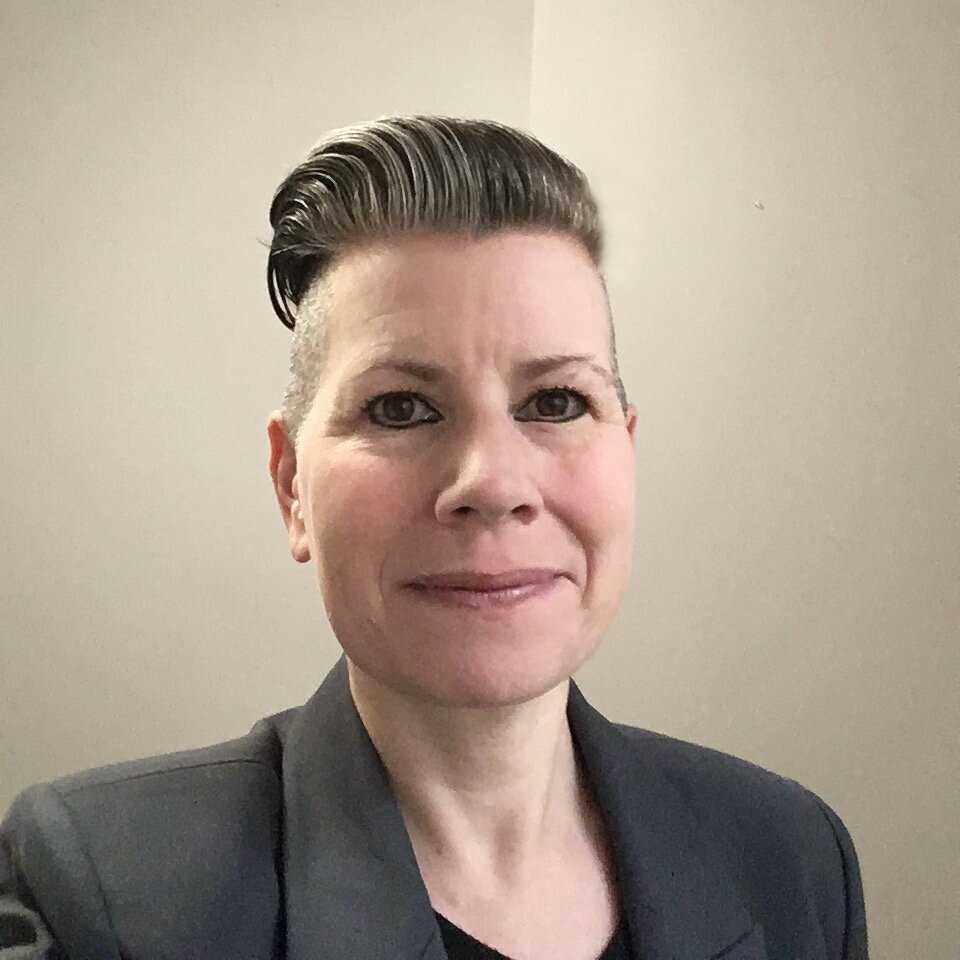
Meet Natalie Jovanic
Note: The interview has been edited for clarity and brevity. CDLI sat down with Natalie Jovanic, owner of Freedom Counselling Calgary, to talk about the importance of BLM, white privilege and allyship.
Natalie: What does the Black Lives Matter movement mean to me? A person very close to me is a Black woman and I love her very much. But I understand the pain caused by racism through my relationships and work as a counsellor. I understand that my friend is afraid for her son’s life. Or that she is often followed around stores and hears racist microaggressions. On an individual level, I need to be aware that there are certain experiences I will never have because I am white.
BLM means a lot to me but as a white person, I can only support BLM if I dismantle white supremacy. As a white person, I am part of a system that is based on white supremacy and must be aware of privilege/power dynamics. I need to learn about systemic racism. I think about my personal experiences of violence but having white privilege and not acknowledging it is very much related to being violent to other people. And if I want to break the cycle of violence, I need to acknowledge that I am in the role of an oppressor and so how must I dismantle it. If someone comes to me and says, “what you did was racist” or “you are racist because you did this” it means I violated a boundary. I need to take a moment to listen and learn to stop this behaviour. Then I need to take responsibility instead of getting defensive or having a discussion that it was not racist.
It is listening, learning, understanding and changing behaviour that will dismantle white supremacy. I need to be aware each time I am silent I am complacent with white supremacy and I do not do anything to change it. Even if I'm scared, standing up and saying something it is better than staying silent. To some extent, I am also aware of my powerlessness to promote change because there is a lot of resistance in taking responsibility for white supremacy. Acknowledging that I may not have any impact on the other person, and cannot create a dialogue, which can be frustrating. There were many times when I was unable to create a dialogue with white people about racism because of denial around racism.
This interview is part of the CDLI anti-racism and decolonization interview series. You can keep up with Natalie on their Instagram & Facebook pages @freedomcounsellingcalgary and website https://nataliejovanic.com/