
Storytelling for Change: Land of Dreams
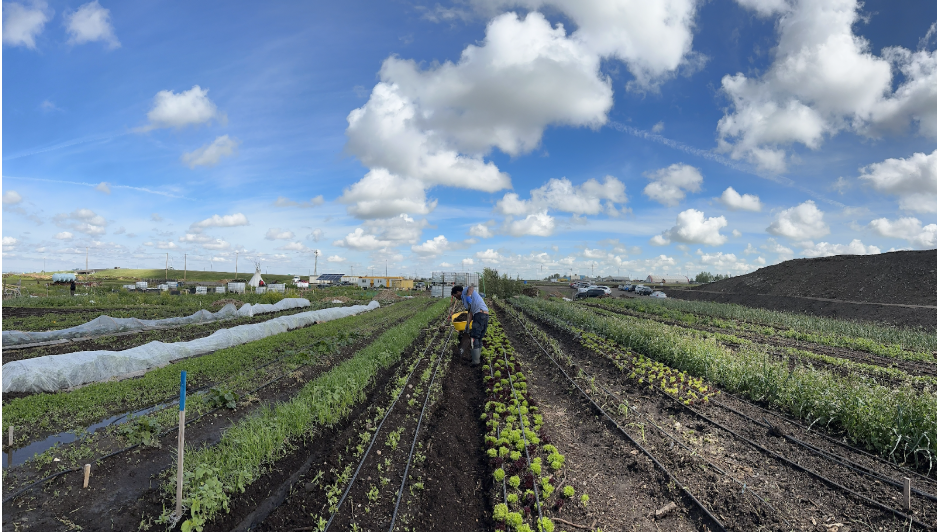
The Land of Dreams is a growing community rooted in relationship, culture, and care for the earth. Located on Treaty 7 territory in Southeast Mohkinstsis (Calgary), this initiative brings together refugees, newcomers, and Indigenous communities through the shared act of tending the land. The project creates a meaningful space for newcomers to reconnect with their roots while building relationships with Indigenous knowledge keepers. Through food, ceremony, and community, participants learn about Alberta’s Indigenous history while finding a renewed sense of belonging in a new home.
A Different Approach to Anti-Racism and Decolonization
At Land of Dreams, anti-racism and decolonization are not framed through theory or policy alone, but through everyday actions that nurture belonging. Rather than centering on terminology, the community focuses on what connects people, their shared humanity, and their collective care for the land. This approach doesn’t ignore systems of inequity or the need for advocacy. Instead, it roots transformation in relationships, healing, and lived experience. When people work, learn, and grow food together, they begin to see one another beyond labels and assumptions. The garden becomes a site of re-education, where understanding and empathy take focus.
Learnings from the Land
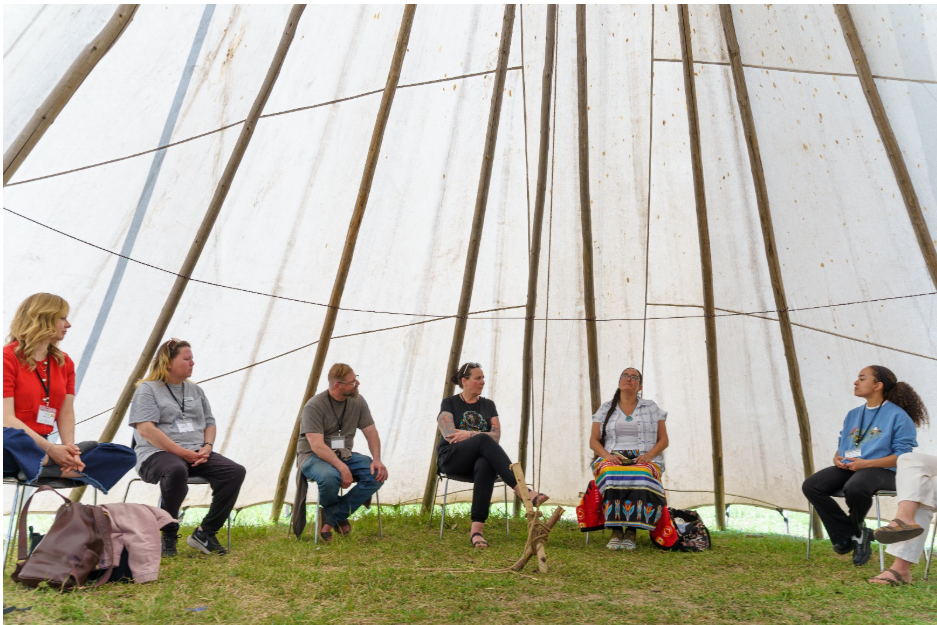
Land of Dreams recognizes that colonization has shaped and harmed all communities, and that the path toward decolonization begins with listening to the land and to Indigenous knowledge keepers. Each season begins and ends with ceremony, honouring the land as sacred and reminding participants that they are not here to extract from it, but to exchange care and energy with it. Guided by Blackfoot Elder Herman Many Guns and Cree knowledge keeper Jackie, the community draws from Indigenous teachings such as Natural Law and the Seven Sacred Teachings (wisdom, love, humility, respect, truth, honesty, and courage). These teachings offer a framework for how participants relate to each other, make decisions, and approach conflict. They also highlight the shared values that exist across cultures and spiritual traditions represented at the site. Through this process, participants are reminded that everyone comes from a cultural tradition rich with wisdom even if modern life has distanced them from it. By learning from Indigenous practices, many newcomers rediscover their own ancestral ways of being in relationship with the earth.
Creating Spaces of Belonging and Healing
Land of Dreams creates intentional opportunities for conversation and reflection between Indigenous and newcomer communities. These dialogues, sometimes through workshops or informal gatherings explore themes of race, belonging, and shared humanity. What emerges is a collective recognition that healing from the impacts of colonization requires both honesty and compassion. The community has also developed shared agreements and a Code of Conduct to guide how members treat one another. These shared practices act as a compass, ensuring that respect and reciprocity remain at the centre of all interactions. Land of Dreams recognizes that conversations about racism and belonging can be difficult, but believes that community itself is the setting for that healing. When harm happens within community, it is also community that holds the power to repair it. This belief shapes how the initiative approaches conflict not through blame or punishment, but through curiosity, empathy, and collective accountability.
Ceremony as a Way of Knowing
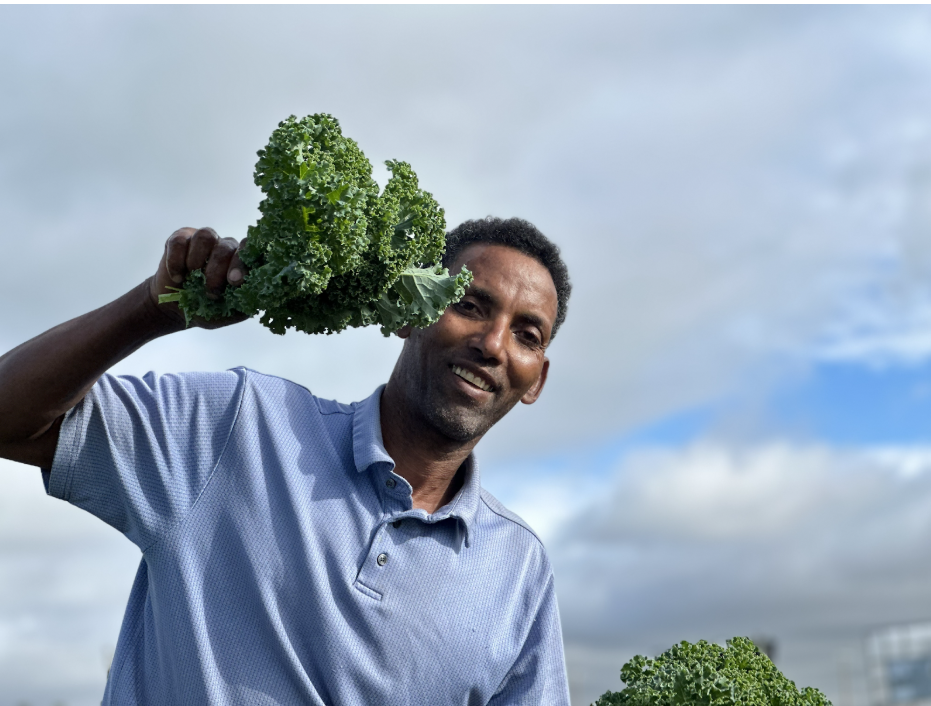
Ceremony is at the heart of how Land of Dreams practices decolonization. It serves as a reminder that tending the land is a spiritual act, not just a practical one. Participants offer their time, compost, culture, and stories to the land, receiving in return its abundance and teachings. This reciprocal relationship reframes success: rather than counting pounds of produce, the community measures growth through connection to self, to others, and to the earth. Through ceremony, participants also begin to see parallels between Indigenous and newcomer traditions. Shared symbols, creation stories, and spiritual practices often surface naturally during gatherings. These moments reveal the universal threads that connect different cultures, reminding everyone that the values of respect, gratitude, and harmony with the land are not bound to one tradition alone.
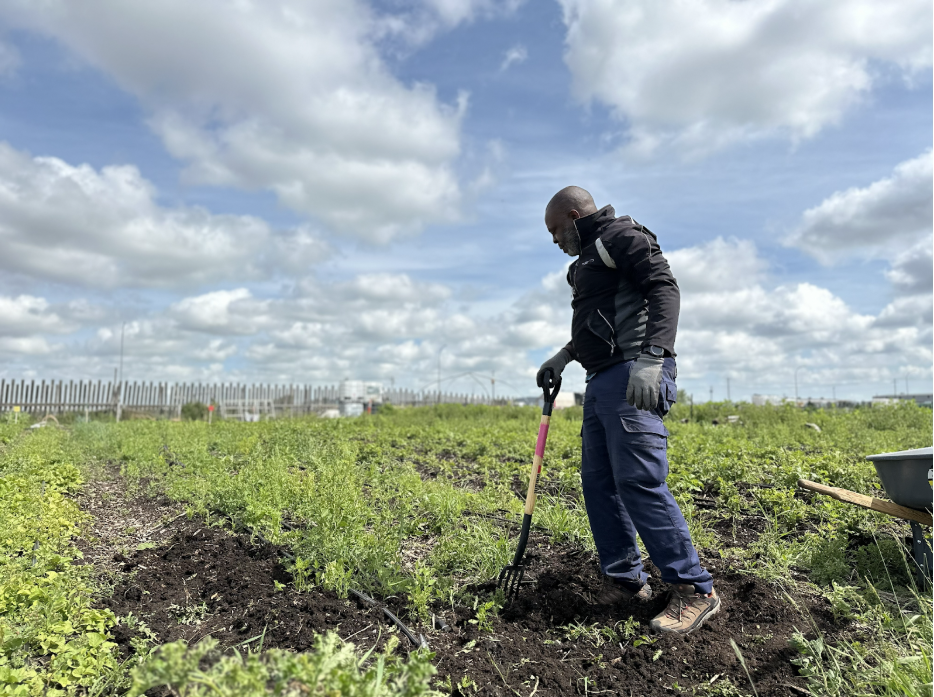
The long-term vision for Land of Dreams is to deepen this work through what they call a School of Regenerative Belonging, a place where Elders and newcomer farmers can co-teach short courses that blend ecology, culture, and compassion. The goal is not only to restore the land but to restore relationships among the people who depend on it. Future plans also include a community-based economy where cultural knowledge and lived experience are recognized as forms of wealth. Through a proposed community currency, Dream$, participants will be able to exchange skills, art, and cultural offerings as meaningful contributions to the collective good. The work at Land of Dreams has shown that anti-racism and decolonization are ongoing practices, ones that happen through connection, humility, and care. It is in these everyday moments of learning, listening, and tending the soil that deeper transformation takes root. At Land of Dreams, the land is both teacher and guide. Every seed planted holds a story, and every harvest is a reminder of what can flourish when people come together, to grow food, to share culture, and to dream of a future rooted in belonging.