
ABCD in Action: Finding Our Way Forward Together
What happens when you bring together passionate Community Development practitioners committed to building stronger, more connected communities?
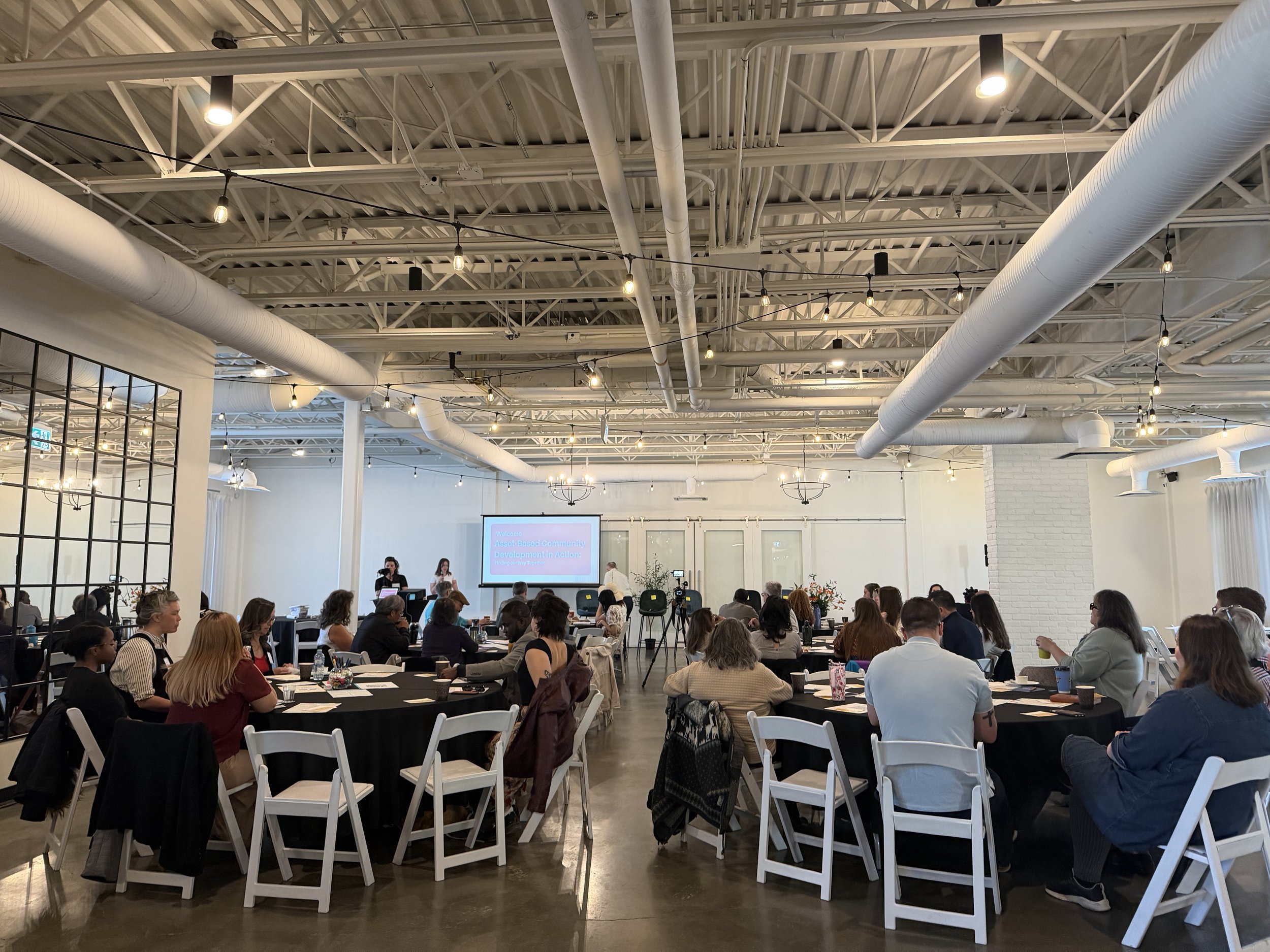
On Friday, May 1, 2026, CDLI’s Building Connected Communities project brought people together to find out through a one-time gathering focused on Asset-Based Community Development (ABCD) in action.
This space was intentionally created for Community Host Organizations partnering with CDLI to use strengths-based approaches in community engagement, as well as people in community already doing ABCD work, grassroots organizations, and representatives from the City of Calgary interested in learning more about ABCD or deepening their current practice.
The gathering was designed to create space for Community Development folks to:
offer grace and validation to community members,
recognize and celebrate the ways ABCD is already happening across Calgary,
support and encourage one another’s work, and
engage in reflective planning grounded in ABCD principles.
Throughout the day, participants explored ABCD through a variety of interactive sessions, including a Community Development Talk Show, an asset mapping walk, framework reflection activities, storytelling table discussions, a community story wall, conversations about the future of ABCD, and a Story Circle focused on anti-racism, decolonization, and community development.
The sessions were facilitated by experienced community practitioners who shared insights from years of community-building work across Calgary. Together, participants reflected on both the opportunities and challenges of community development while highlighting the importance of relationships, belonging, inclusion, and collective action.
Community Development Talk Show
The Community Development Talk Show explored how strengths-based approaches can create awareness, deepen collaboration, and strengthen community connections.
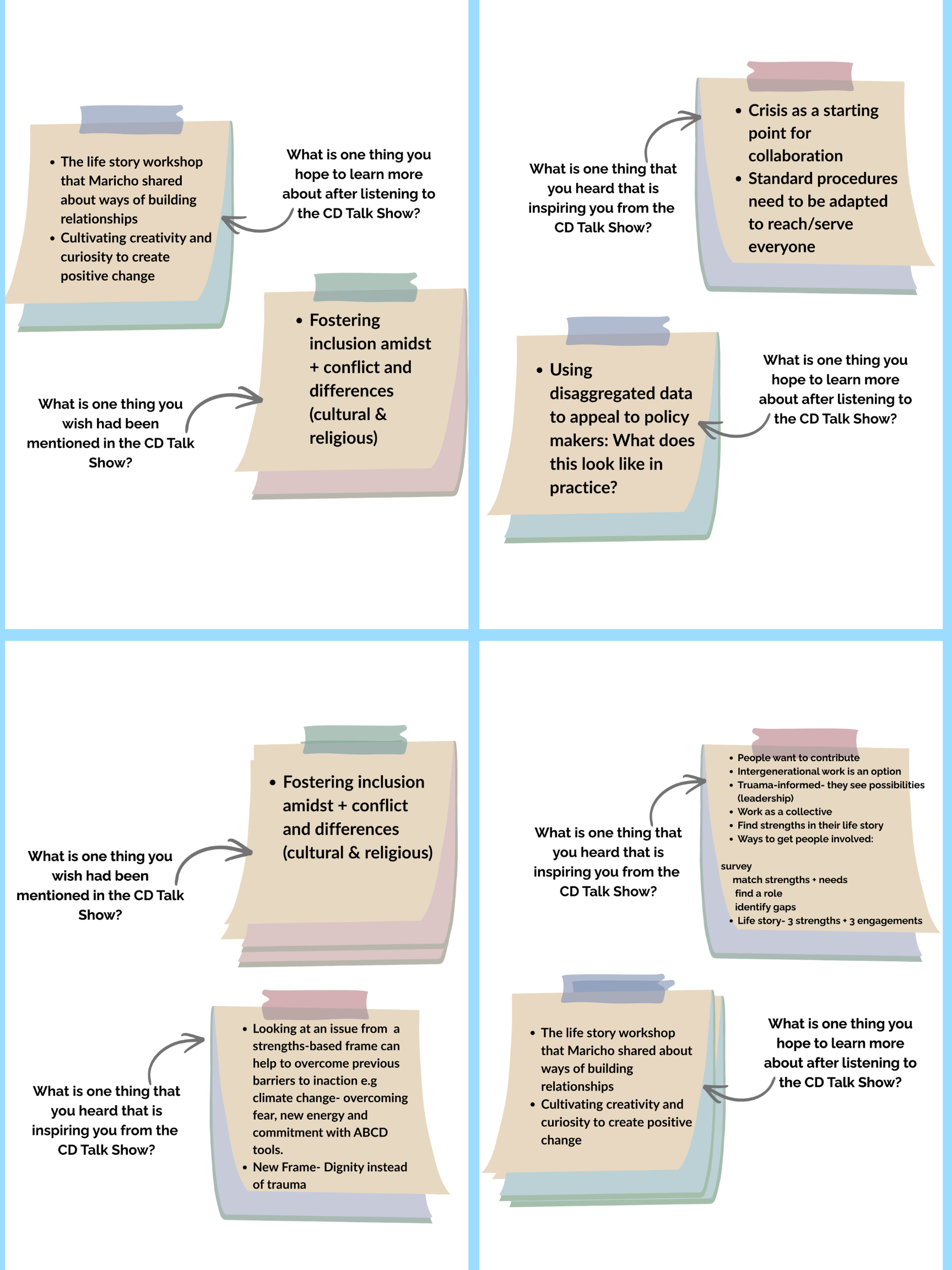
Participants reflected on several key themes, including:
The importance of approaching challenges through a strengths-based lens,
Crisis as a potential starting point for collaboration and connection,
Adapting systems and procedures to better reach and support communities,
Recognizing that people want meaningful ways to contribute, and
The value of intergenerational and collective approaches to community work.
Participants also expressed interest in learning more about:
Relationship-building through life story work,
Cultivating creativity and curiosity to create positive change,
Using disaggregated data to support advocacy and policy change, and
Combining stories and data to demonstrate community impact.
Many participants also reflected on the importance of fostering inclusion amid cultural and religious differences, and shared curiosity about how practitioners navigate and overcome challenges in community work.
Asset Mapping Walk Activity
The Asset Mapping Walk encouraged participants to identify and reflect on the strengths, resources, relationships, and spaces that already exist within communities. The activity reinforced the idea that communities hold valuable assets that can serve as foundations for connection, leadership, and future action.
Story Circle on Anti-Racism, Decolonization, and ABCD
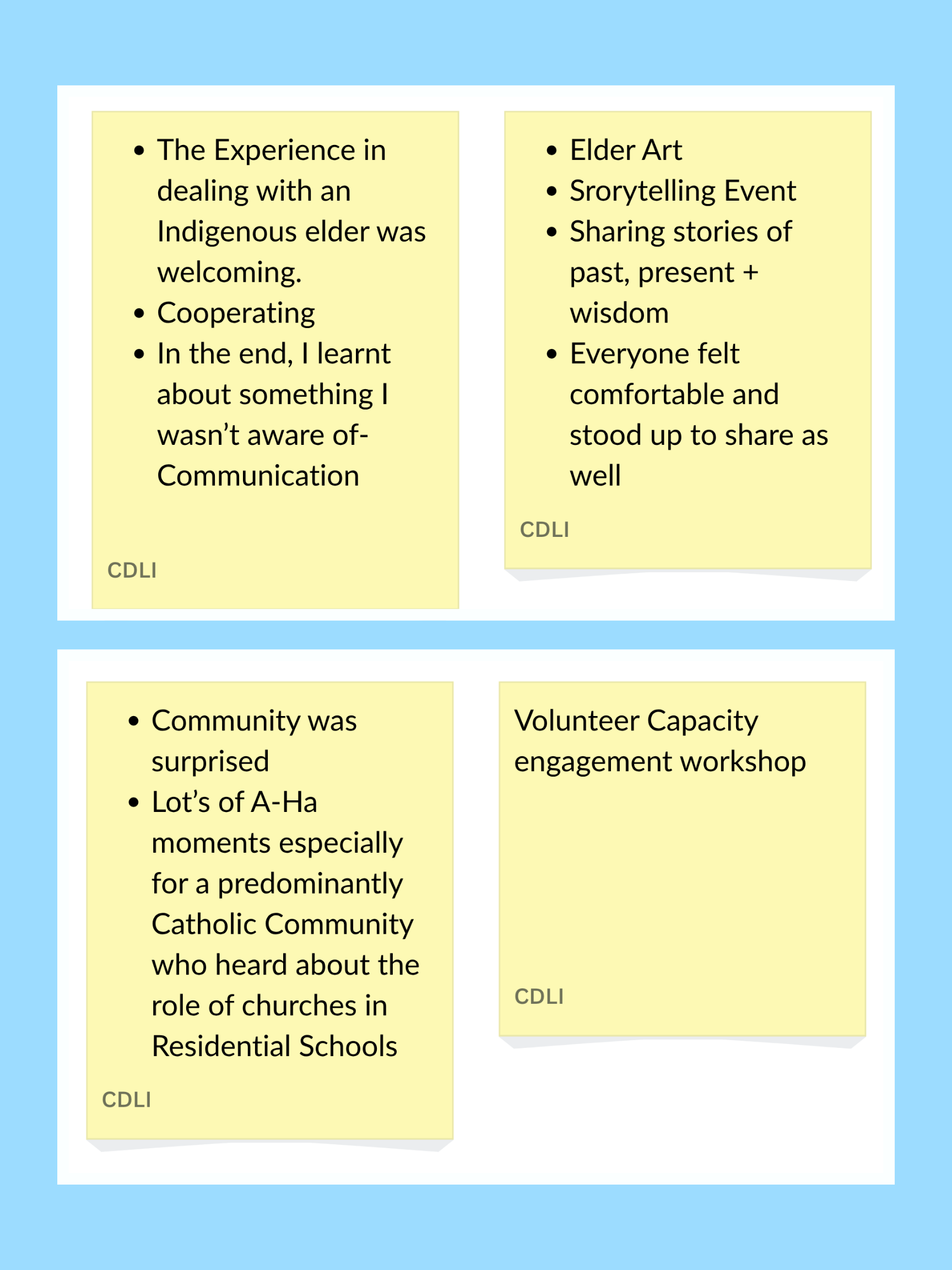
This Story Circle explored the connections between Asset-Based Community Development (ABCD), anti-racism, and decolonization through shared experiences and community dialogue. Participants reflected on how diversity is understood, practiced, and celebrated within their communities and organizations.
Several speakers emphasized the importance of relationship-building, accessible language, and creating welcoming spaces where people feel seen and valued. Reflections highlighted the role of interfaith engagement, community gathering spaces, and inclusive practices that recognize the many identities people carry within community work.
Speakers also discussed how ABCD and strengths-based approaches can support anti-racism and decolonization effort by centering community knowledge, lived experience, and collective action. Contributors reflected on the importance of asking who is present, who is missing, and how unheard voices can be included in community conversations and decision-making.
Throughout the discussion, participants shared examples of engaging Elders, faith communities, newcomers, and intergenerational groups in ways that foster belonging, learning, and deeper community relationships. The Story Circle reinforced the importance of collaboration, cultural knowledge, and relationship-centered approaches in advancing equitable and inclusive community work.
At the end of the session, participants reflected on the importance of engaging Elders, knowledge keepers, and external experts in ways that are meaningful, respectful, and community-led, as highlighted in the sticky note reflections. The session also highlighted the ongoing learning and reflection required to create more inclusive and equitable community spaces
Telling the Story of ABCD: Table Discussions
This storytelling table conversation explored the many ways ABCD is being practiced across communities. Participants shared experiences of using ABCD approaches to strengthen relationships, mobilize local gifts, support community-led change, and build networks of mutual support.
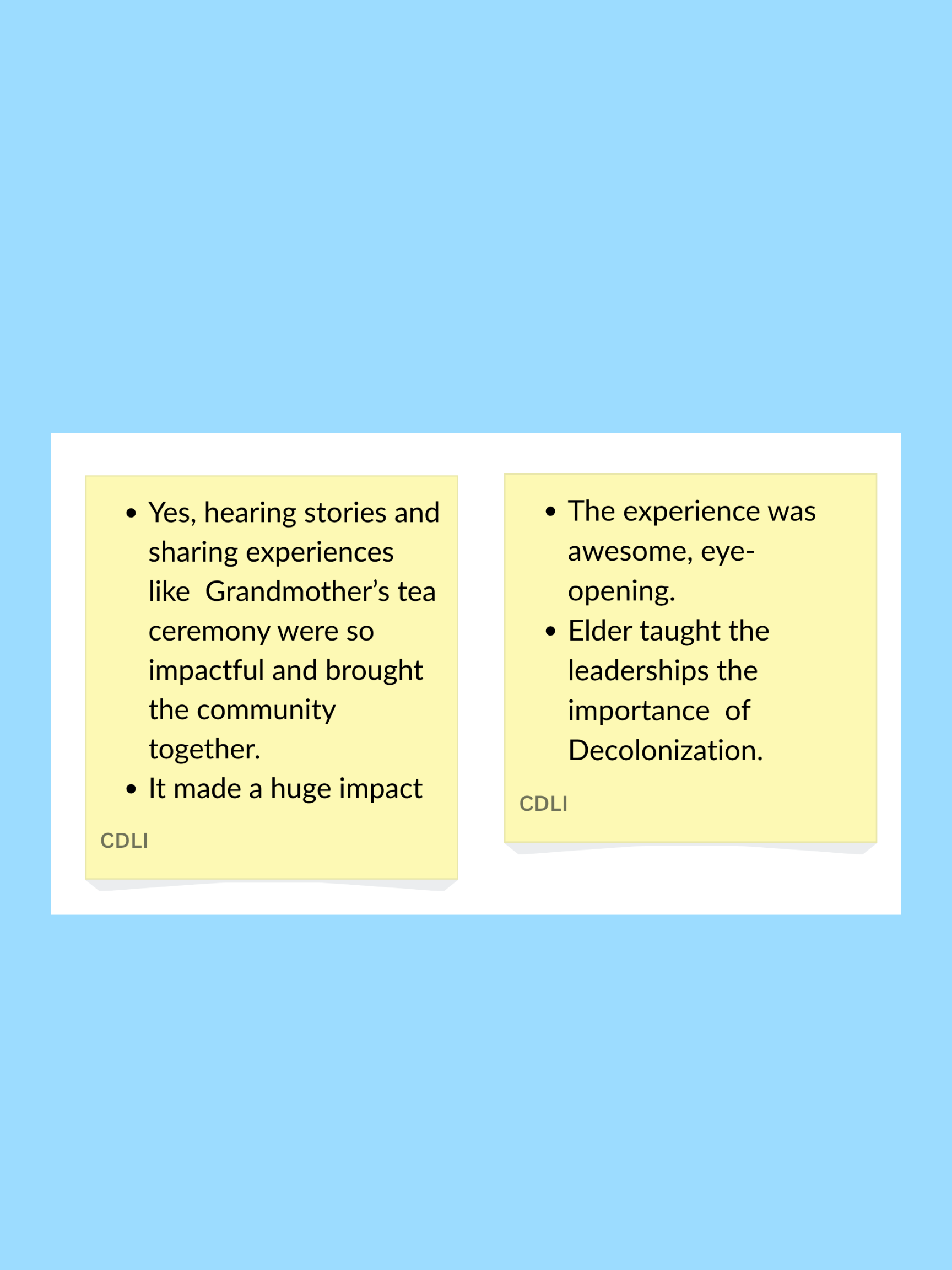
The discussions highlighted that ABCD work can look different across communities, but is consistently grounded in connection, collaboration, and recognizing the strengths already present within people and places.
Reflection and Connection on the Future of ABCD
This reflective session invited participants to consider how existing community assets can continue to build future capacity and connection.
Several themes emerged throughout the conversation:
Dreaming about new possibilities for communities,
Strengthening collaboration across organizations and sectors,
Recognizing relationships as the foundation of community work,
Creating safe spaces where diverse voices can emerge,
Trusting in people’s gifts and abilities, and
Valuing positivity, care, and encouragement as catalysts for growth.
Participants emphasized that community development is rooted in relationships and that meaningful connection creates opportunities for collective action and belonging.
ABCD Framework Update and Expansion
This session explored how the ABCD framework is currently being applied in Calgary and invited participants to imagine what an updated 2026 Calgary-based ABCD framework could look like.
Using the “Who,” “How,” and “Values in Action” prompts, participants reflected on the people, relationships, practices, and principles that support community-led work.
The “Who” and “How” of ABCD
Participants emphasized that visibility, consistency, and relationships are essential to building strong communities. Reflections included:
Creating welcoming and accessible spaces for people to gather,
Meeting people where they are,
Shifting from simply recruiting volunteers to building reciprocal relationships,
Supporting opportunities for connection and belonging,
Recognizing that people are more likely to engage when activities align with their passions and gifts, and
Understanding that strong communities are built through mutual care and support.
Participants also reflected on how the COVID-19 pandemic shifted experiences of connection and disconnection, while opening new opportunities for accessibility and remote participation.
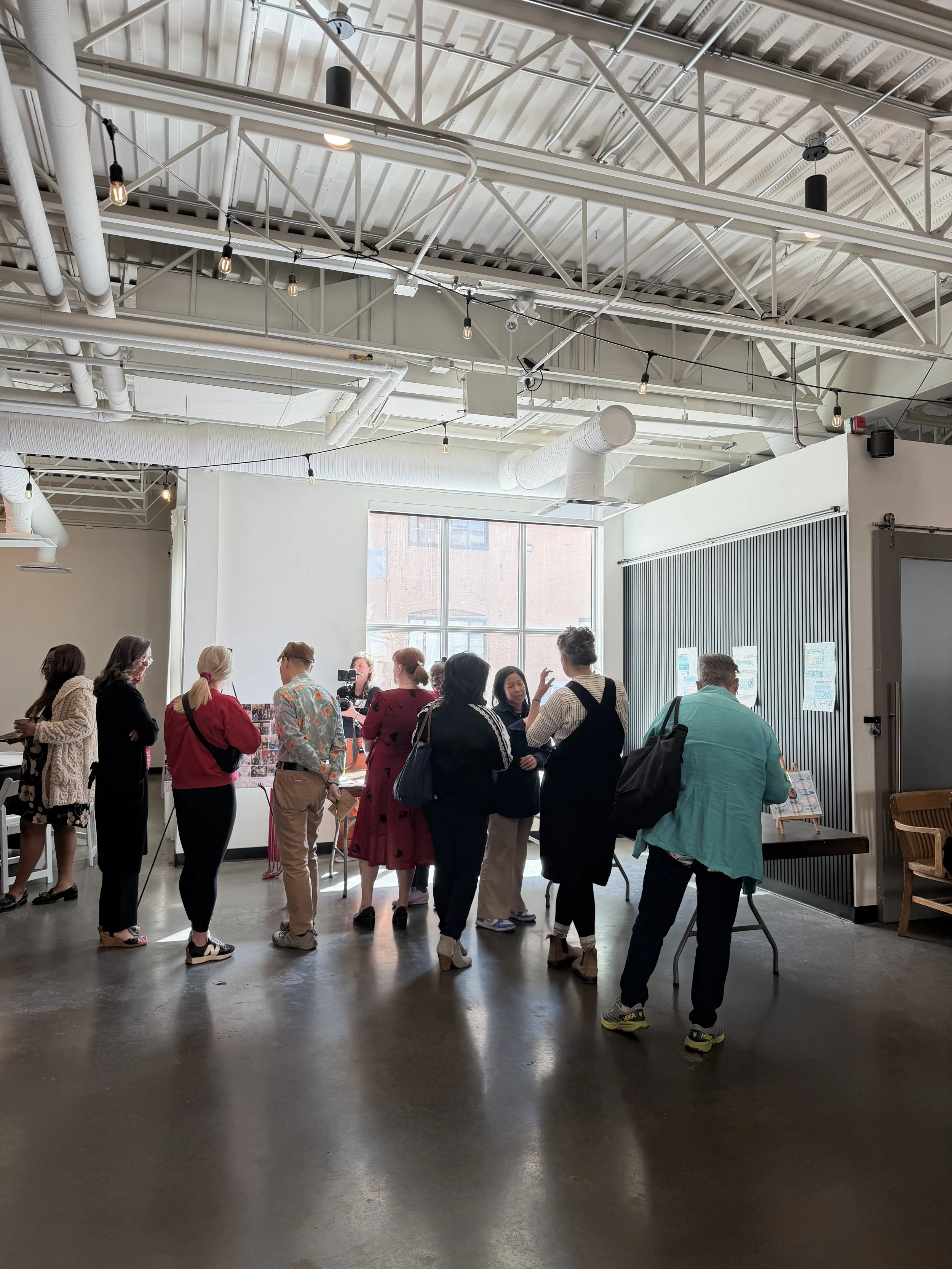
One important theme that emerged was the idea that everyone belongs at the table — including community members, practitioners, and organizational staff.
Values in Action
Participants also explored how ABCD values are expressed in practice and the barriers that can make these values difficult to uphold. These values are highlighted below:
Include Everyone - These conversations highlighted the importance of equity, accessibility, and responding to diverse community needs. Participants discussed:
Technology and literacy barriers,
Supporting seniors and vulnerable community members,
Addressing harmful perspectives with curiosity and dialogue, and
Creating opportunities for mutual support within communities.
Lead by Stepping Back - Participants reflected on the challenges of sharing leadership and creating space for others to lead. Themes included:
Balancing risk and trust,
Recognizing people’s strengths and potential,
Building confidence through small opportunities,
Creating safe and welcoming spaces for participation, and
Understanding that leadership can emerge when communities are empowered to step forward.
Value Small and Believe in Possibility - Participants emphasized the importance of celebrating small successes and recognizing that meaningful community change often happens gradually. Discussions highlighted:
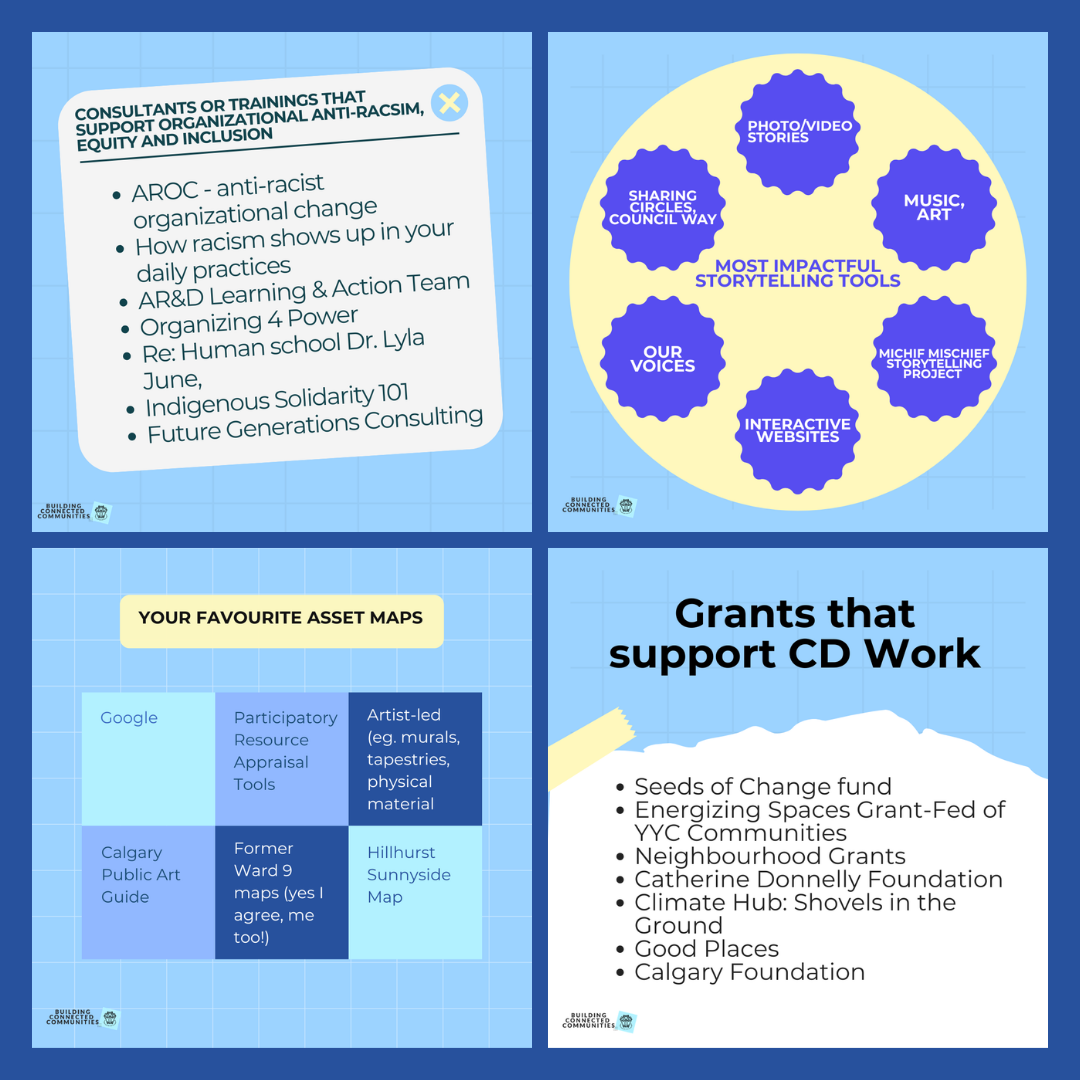
The challenge of funding structures that prioritize large or immediate outcomes,
The importance of storytelling alongside quantitative data,
Valuing different ways of knowing and learning, and
Recognizing that growth and community impact often unfold over time.
Closing Reflections
As the gathering came to a close, one message remained clear throughout the day: communities already hold deep strengths, wisdom, and capacity for change.
Through relationships, shared leadership, storytelling, and collective care, ABCD continues to offer meaningful pathways for building connected and resilient communities across Calgary. The conversations and reflections shared during ABCD in Action reminded participants that community development is not only about programs or services, it is about people, belonging, and creating spaces where everyone’s gifts can contribute to a stronger collective future.