
My Journey as a Community Connector and Founder of Wings of Hope Global Foundation
Serving as a Community Connector while also leading Wings of Hope Global Foundation gives me a unique opportunity to turn learning into action. I can apply new ideas directly within our programs and share them with volunteers, staff, and community leaders. In this way, the knowledge gained through the Building Connected Communities project reaches beyond me and strengthens the way our entire organization works with the community.
My role allows me to connect people, programs, and community assets. I am not only facilitating conversations; I am also helping our organization respond to what community members identify as important. This creates a bridge between listening and action and helps us build programs with the community rather than simply for the community.
What I Have Learned Along My Journey
Since April 2025, I have had the opportunity to serve as a Community Connector with the Building Connected Communities project.
During this journey, I learned about Asset-Based Community Development (ABCD). ABCD focuses on people's strengths instead of only looking at their needs. Every person has gifts, skills, experiences, relationships, and ideas that can help build a stronger community. This approach has become the foundation of our programs.
ABCD begins with a simple belief: everyone has something valuable to contribute.
Building Connected Communities Community of Practice Sessions
Through the Community of Practice, I explored several important areas:
Resolving conflict within the community
Creating and respecting ethical spaces
Promoting fair and inclusive dialogue
Practicing active listening and meaningful conversations
Understanding our relationship with the land
These lessons helped me become more thoughtful about how I create spaces for conversation, work through differences, and ensure that everyone can participate with dignity and respect.
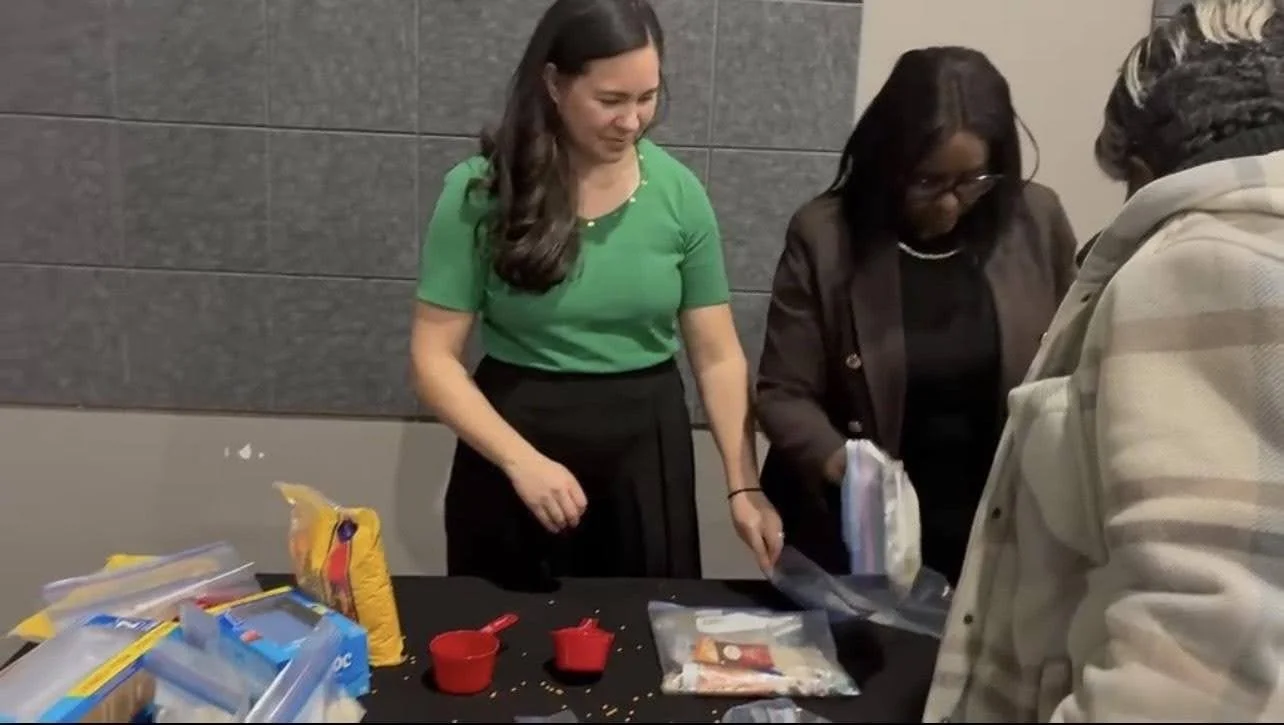
I also completed the eight-week Success in Community Action (SICA) program. This program strengthened my skills in community engagement, planning, and creating lasting impact. It gave me practical tools to turn community ideas into meaningful action and support initiatives that can continue to grow.
Turning community ideas into practical action through shared learning and hands-on participation.
Lessons From My Journey
My experience as a Community Connector has taught me that strong communities are built through relationships. Lasting change does not come from doing things for people. It grows when we work alongside them, recognize the strengths they already have, and support them in leading their own solutions.
I have also learned that belonging is essential. People are more likely to participate when they feel welcomed, respected, and connected. Sometimes, the most powerful first step is simply creating a space where people can come together, be themselves, and know that they matter.
This journey has been deeply meaningful to me. I feel blessed to work alongside community members, learn from their experiences, celebrate their strengths, and support them as they create positive changes.
Community Engagements Youth Gatherings
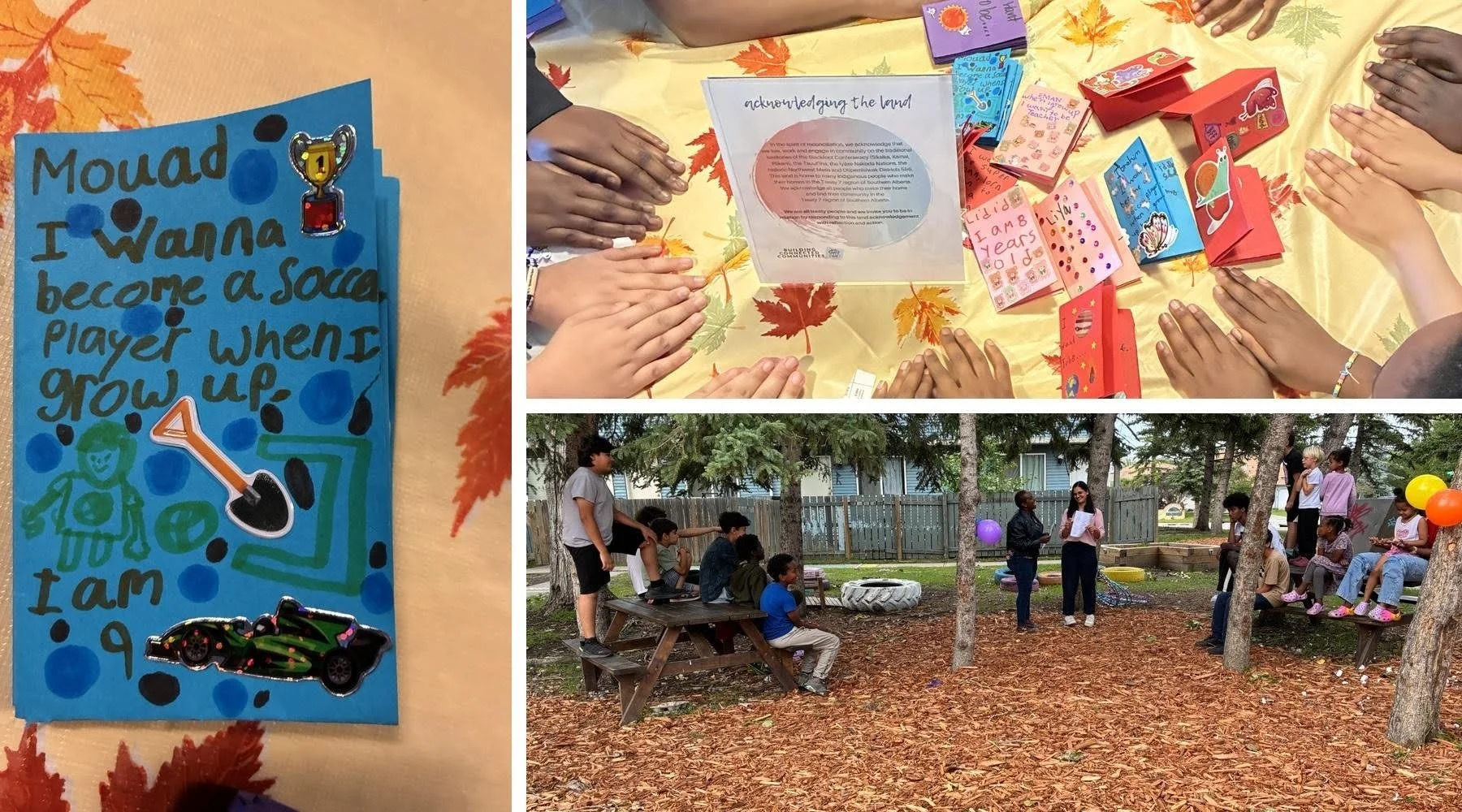
Through the BCC Project, we organized youth gatherings in Applewood SE Calgary to engage young people to uncover their strengths, skills, and ability to contribute to their community.
The gatherings covered identity and belonging, decision-making, leadership, and teamwork. Youth also led mini sessions on what they were good at. S.E, a 13-year-old, shared that kindness is one of her strengths. At school, she uses kindness to support children who are being bullied and to encourage those who bully others to treat people with respect.
At the end of the gatherings, they shared that they had learned everyone has something valuable to offer, and they can use their strengths to make a difference at any age.
Community Conversation Series
The community conversations were guided by an Asset-Based Community Development (ABCD) approach, which focuses on the strengths, skills, knowledge, culture, and relationships that already exist within the community.
In small groups, participants discussed the cultural foods that make them feel at home, why these foods are important to their families, and the challenges they face in accessing healthy and culturally familiar ingredients. They also explored how the community could work together to ensure everyone has access not only to enough food, but also the right food that respects their identity, culture, health, and dignity.
The conversations highlighted valuable community assets, including traditional recipes such as pepper soup a dish popular within the Nigerian community. During the conversation, we learnt how to prepare the soup and the ingredients used such as meat or fish, pepper soup spice, hot pepper, onion, seasoning cube, salt, scent leaves, and water. To prepare it you first must boil the meat or fish with onion, seasoning, and salt. Add the pepper soup spice, hot pepper, and water. Simmer until fully cooked, then add scent leaves. Serve hot.
O, a community member explained how traditional Nigerian pepper soup is commonly used to support wellness. It is often prepared for new mothers, used as comfort food during colds or flu, and adapted for people with dietary needs, including diabetes. In some communities, it is also traditionally used to support recovery from malaria.
She also shared that “ugwu” also known as Vegetable soup, another popular dish in Nigeria valued for its nutritional benefits is also prepared for people recovering from illness and for new mothers to help restore strength and support healthy blood circulation.
In our Community Conversation Series, “lived experience” refers to participants’ personal knowledge and experiences related to food insecurity, settlement, and community resilience. S, one of the newcomers in our community shared the challenges she faced when she arrived in Canada, including language barriers, difficulty finding employment, accessing services, and adapting to a new culture. She also shared how she overcame these barriers by taking language classes, seeking settlement support, connecting with community members, and developing new skills.
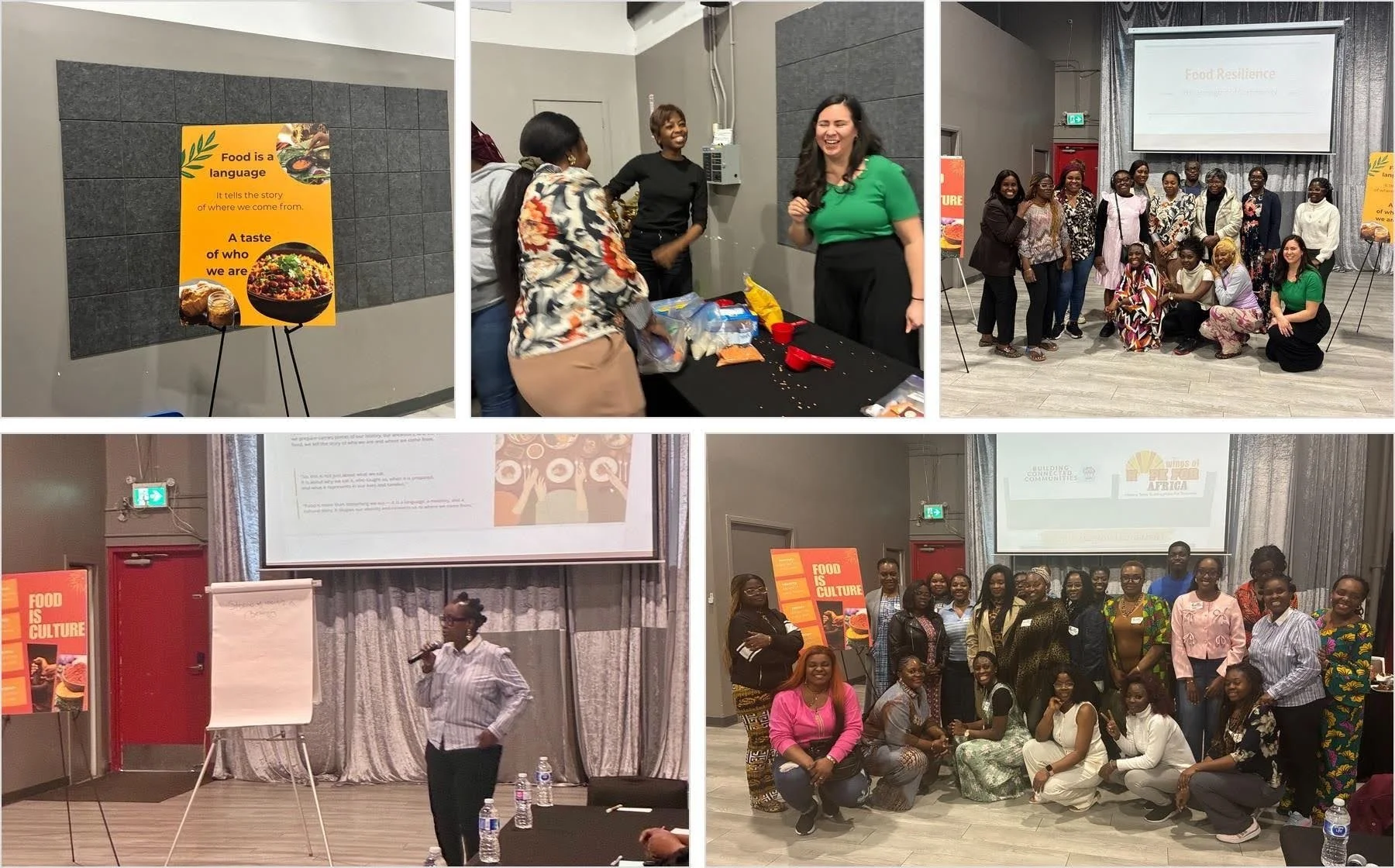
Using an ABCD approach, we focused not only on participants’ challenges but also on their strengths, knowledge, skills, resilience, and relationships. These lived experiences became valuable community assets that helped identify practical, community-led solutions and opportunities for members to support and learn from one another.
Looking Ahead
My goal is to continue creating a space where community members feel heard, valued, and supported to lead their own initiatives. I want to keep connecting people across generations and cultures, building on their strengths, and creating opportunities for meaningful participation.
The Building Connected Communities project is more than a program to me. It is a growing movement rooted in relationships, belonging, and shared leadership. I am grateful for everything I have learned since April 2025, and I look forward to continuing this journey alongside the inspiring people who make our communities stronger every day.
Together, we are not only building programs. We are building relationships, confidence, belonging, and connected communities where everyone has something valuable to contribute.