
Who do you know in your community? And how do you build neighbourhood connections?
How many people on your street do you know? If your answer is “about five,” turns out that’s pretty normal. But normal doesn’t always mean ideal.
Lately, I’ve been asking myself some questions:
Where do I start if I want to know more about my neighbours?
Why should I even bother?
How can I make it happen without it feeling awkward?
After reading this article- It is Normal to know only 5 people on your street, I have realized you don’t need a big plan or a special event to begin. Just start.
Say “hi.” Chat about the weather. Make a joke about that squeaky gate you both share. That’s all it takes to break the ice.

Recently, our BCC team teamed up with the Climate Hub for a Land-based Walk + Talk. We got to connect with Dr. Jebunessa Chapola, who’s been using community gardens to bring people together in Saskatoon and across Canada. Her big lesson for us? Connection starts with willingness. You’ve got to want to engage, want to connect. That’s what sets the Asset-Based Community Development (ABCD) approach apart — it’s intentional.
So, if you want this summer to be about real connection, here are some tools, tips, and resources to help you get started:
1. Use Eventbrite to Find Local Happenings
Eventbrite isn’t just for concerts — it’s full of free and community-focused events where you can meet new people.
2. Host Something in Your Local Park (For Free!)
This summer, Parks for People is giving out free permits in 2025 for gatherings in Calgary parks that:

Help people build resilience
Reduce isolation
Create a sense of community
Connect like-minded people
Support grassroots projects
The permit is for community groups that don’t have a board, non-profits offering free services, or neighbourhood groups without event space. You just need to apply 4 weeks in advance. However these events/gatherings are not covered by the free permit:
Political rallies
Private/personal events
For-profit or commercial activities
Competitive sports
Advertising or religious conversion
Meal distribution
Anything needing extra facilities like food trucks, alcohol, merchandise sales, overnight storage, or generators.
If you are interested in applying- fill out the form here: Free Parks & Open Spaces Permit
3. Community Engagement Resources
If you are confused about where to start and what tools to utilise then check out CDLI’s article on community engagement tools and resources -💡 Two New Community Engagement Resources – CDLI Blog
4. Join a Community Garden
As Dr. Chapola says:
“Community gardens are more than just green spaces — they’re acts of resistance and powerful tools against climate change.”
For 16 years, she’s been growing more than food. She’s been growing connection, resilience, and hope. To her, gardening locally means:
Less dependence on fossil-fuel-heavy transport
Lower emissions from industrial agriculture
Stronger bonds with the Earth and each other
Real steps toward climate justice and food sovereignty
In a world facing climate challenges, community gardens are more than a hobby — they’re a quiet revolution. If community gardens are something that you would like to be a part of or set up your own then — Find a Community Garden Near You!
Final Thought
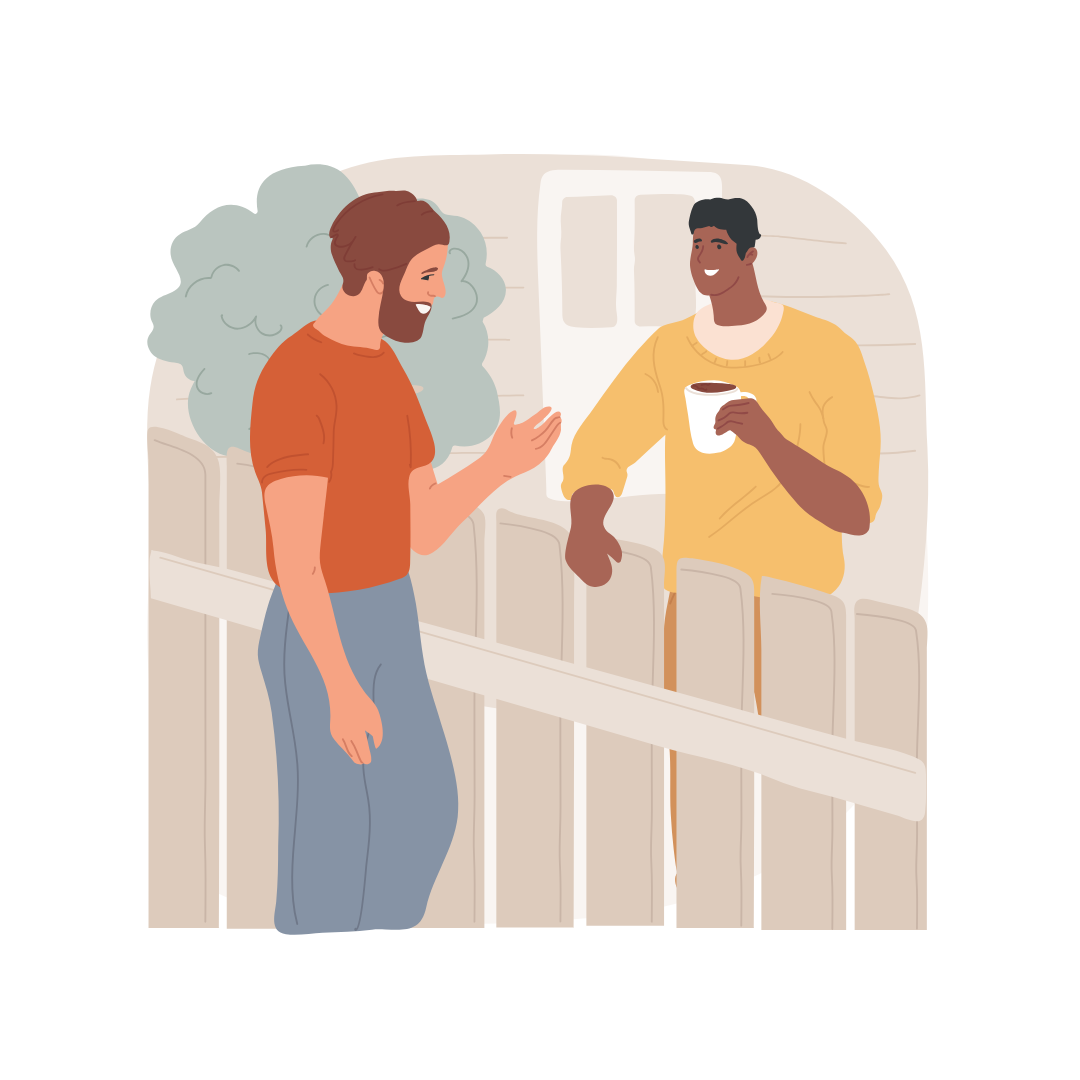
Whether it’s saying hello over the fence, planting tomatoes side-by-side, or hosting a free park gathering, connection doesn’t have to be complicated.
Start small, be willing, and watch your “I only know 5 people” turn into “Wow, I know my whole street.”