
Gurjot Sohi: Journey of Equity, Advocacy and Anti-racism in Social Work
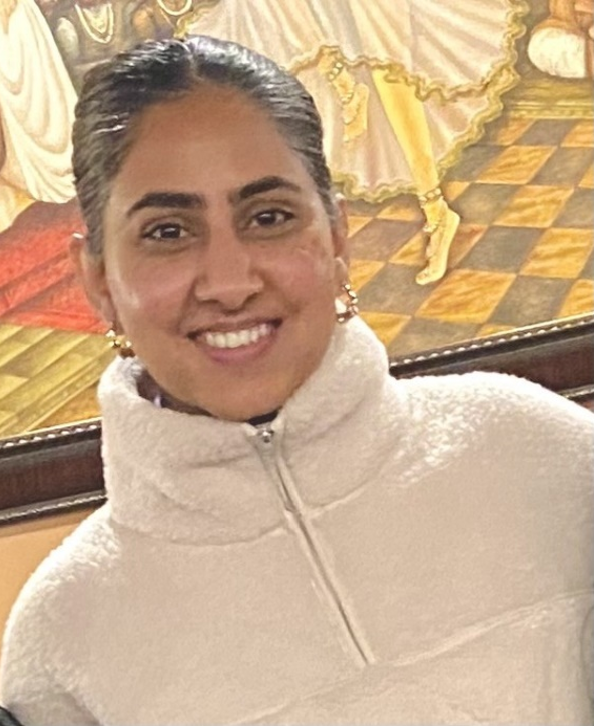
Gurjot Sohi is a Registered Social Worker based in Alberta, and holds a Master of Social Work from the University of Windsor. Her professional work, community involvement, and lived experience are all deeply connected by one ongoing focus: challenging injustice in every form it shows up.
From her time as an international student navigating the realities of being a settler woman of color, Gurjot has seen firsthand how systems fail people. She’s experienced how immigration status can shape vulnerability, how stereotypes close doors, and how the Canadian labour market often treats some identities as more “hireable” than others.
These experiences didn’t just shape her worldview, they became the foundation of her work. Early on, Gurjot began volunteering in community centres, not just to build experience, but to stay connected to people. That on-the-ground involvement continues to inform her approach to equity and advocacy today.
“Community work helped me see the inequalities and otherness up close,” she explains. “It grounded me in why I do what I do.”
Much of Gurjot’s focus is on macro-level social work, the policy, systems, and structures that shape people’s lives behind the scenes. She sees her role as one that must extend beyond individual support to broader advocacy: writing open letters to elected officials, staying engaged with grassroots organizations, and showing up in the spaces where conversations around anti-racism, equity, and decolonization are happening.
One of the main frameworks Gurjot works from is anti-oppressive practice. For her, this means identifying the ways oppression operates, not just personally or culturally, but structurally. She points to the way laws and policies often reinforce white supremacy or cater to certain groups while leaving marginalized people behind.
“Social work has a tendency to focus on individual outcomes, but those outcomes are shaped by policy decisions and social conditions,” she says. “You can’t address mental health, for example, without looking at economic inequality or the impact of systemic racism”.
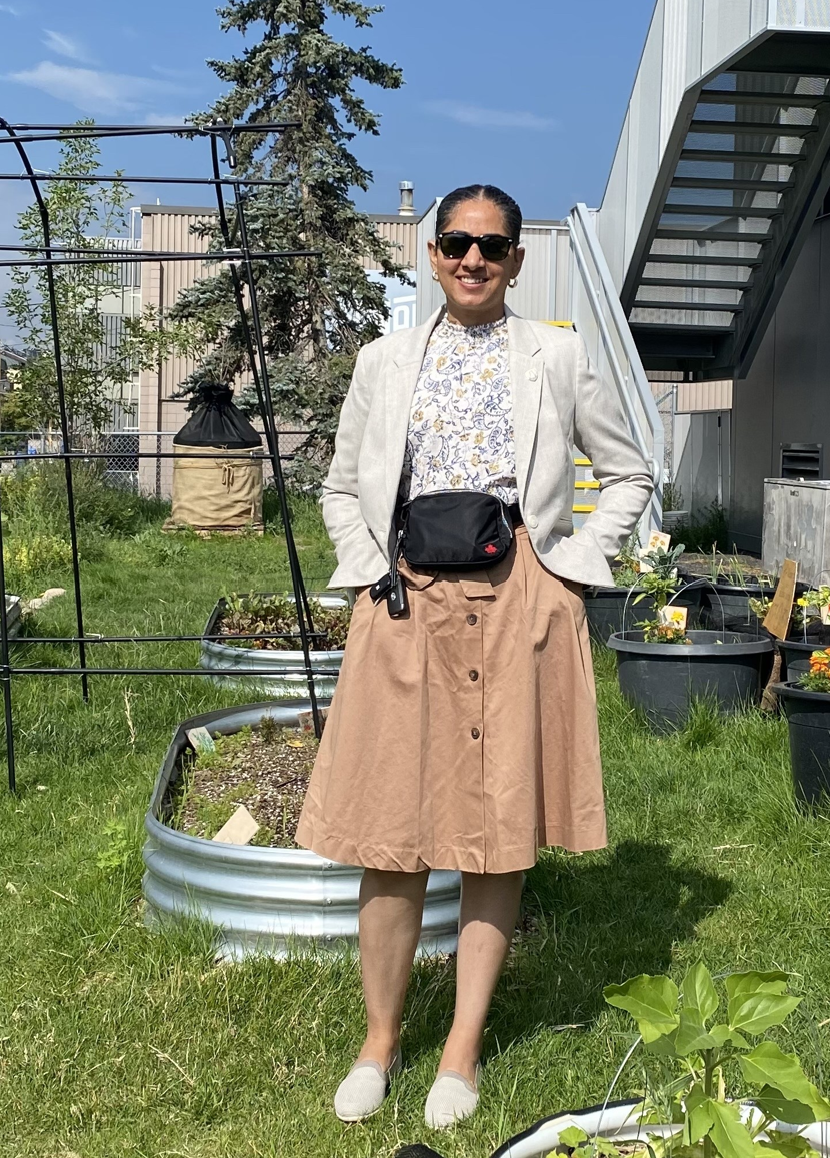
She also speaks openly about the role of self-awareness in her work. Being committed to equity and inclusion, she says, starts with understanding your own position, including your privileges. She keeps cultural humility front and centre, reminding herself regularly that as a practitioner, she is always learning, especially when working in communities that are not her own.
“It’s important to recognize that I don’t have all the answers,” she says. “Working with Indigenous communities, for example, has reminded me that real support means respecting their self-determination and not assuming that I know what’s best.”
Gurjot approaches decolonization as a necessary and ongoing process. She’s clear that decolonizing work doesn’t begin with action, it begins with learning and dismantling the existing unjust systems.
“You can’t talk about decolonization if you haven’t spent time understanding what colonization has done and continues to do,” she says. “That learning is where it starts, then you apply that knowledge to how you work, how you advocate, and how you engage with others.”
Land acknowledgments, for Gurjot, are also tied to action. She sees them not as statements to check off, but as reminders of responsibility, to the land, to the people whose land it is, and to the work of reconciliation.
A large part of her advocacy is also shaped by the concept of intersectionality, the idea that social identities like race, gender, class, and immigration status are deeply connected, and often combine to create compounding barriers. She believes that conversations about anti-racism and equity need to fully account for these intersections, not just acknowledge them.
She also highlights the disconnect she sees in some well-meaning programs, especially in the mental health space.
“We have too many interventions focused on ‘fixing’ individuals without acknowledging the social and economic conditions that are causing harm,” she says. “You can’t expect people to thrive if the system continues to fail them.”
As a social worker, Gurjot keeps herself informed on policy shifts and ongoing legislation that could impact equity efforts in Canada. She sees staying politically and socially aware as part of her responsibility.
Professionally, she continues to centre the core values of her practice: respect for human dignity, pursuit of justice, and the belief that service to others must be grounded in real action, not charity. Personally, those same values inform how she moves through the world.
“My work isn’t separate from who I am. It’s shaped by my own experiences, being racialized, being a woman, being an immigrant. That perspective matters. And it’s part of what pushes me to stay committed to this work.”
So what does a just future look like to her?
It’s one where everyone has real, equal access to resources and opportunities, not just surface-level inclusion. It’s one where policies are written with equity at the core, not tacked on as an afterthought. It’s one where communities are empowered to lead, define their needs, and build systems that actually reflect them.
And it’s not a future that will arrive on its own.
“We can’t wait for someone else to create change,” Gurjot says. “It comes from the work we do now in our jobs, in our communities, in how we challenge the status quo every day.”
Written by: Bolade Afolabi